Department of Genetics · Harvard Medical School

From the nucleus to mitochondria, we study the many layers of gene regulation.

A cell makes thousands of mRNAs every minute and controls every one of them — where it is made, how it is processed, how long it survives, and whether it is ever translated. We build quantitative methods that make those steps measurable, in both the nuclear and the mitochondrial genome.

Single-nucleoid architecture reveals heterogeneous packaging of mitochondrial DNA, a painting by Leidy Churchman

Leidy Churchman, Single-nucleoid architecture reveals heterogeneous packaging of mitochondrial DNA (2024)

Recent work

Three things we have learned lately

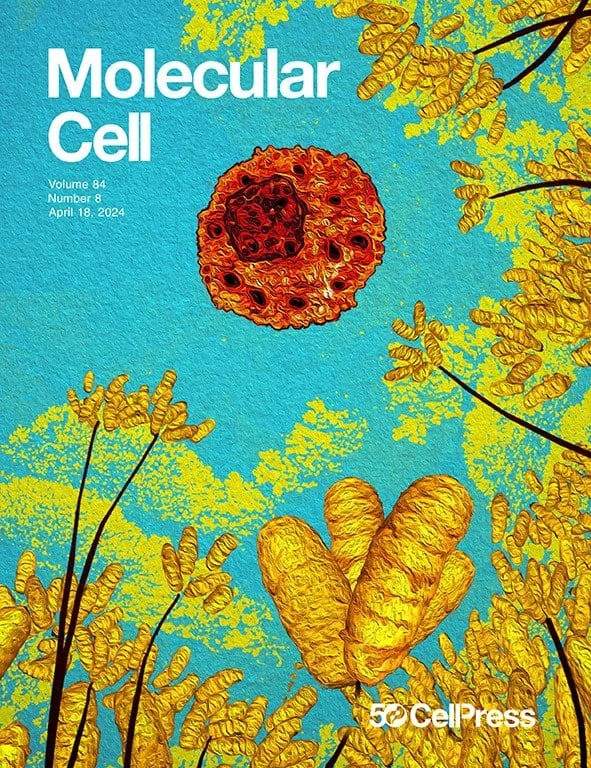
A kinetic dichotomy between mitochondrial and nuclear gene expression processes, a painting by Leidy Churchman

Two genomes run on different clocks

By measuring RNA production, processing, ribosome association and degradation across both genomes, we found that nearly every step runs at a starkly different rate. The mitoribosome acts as a key point of coordination between the two systems.

McShane et al., Molecular Cell 2024

How this fits together →
Single-molecule views of transcription and chromatin

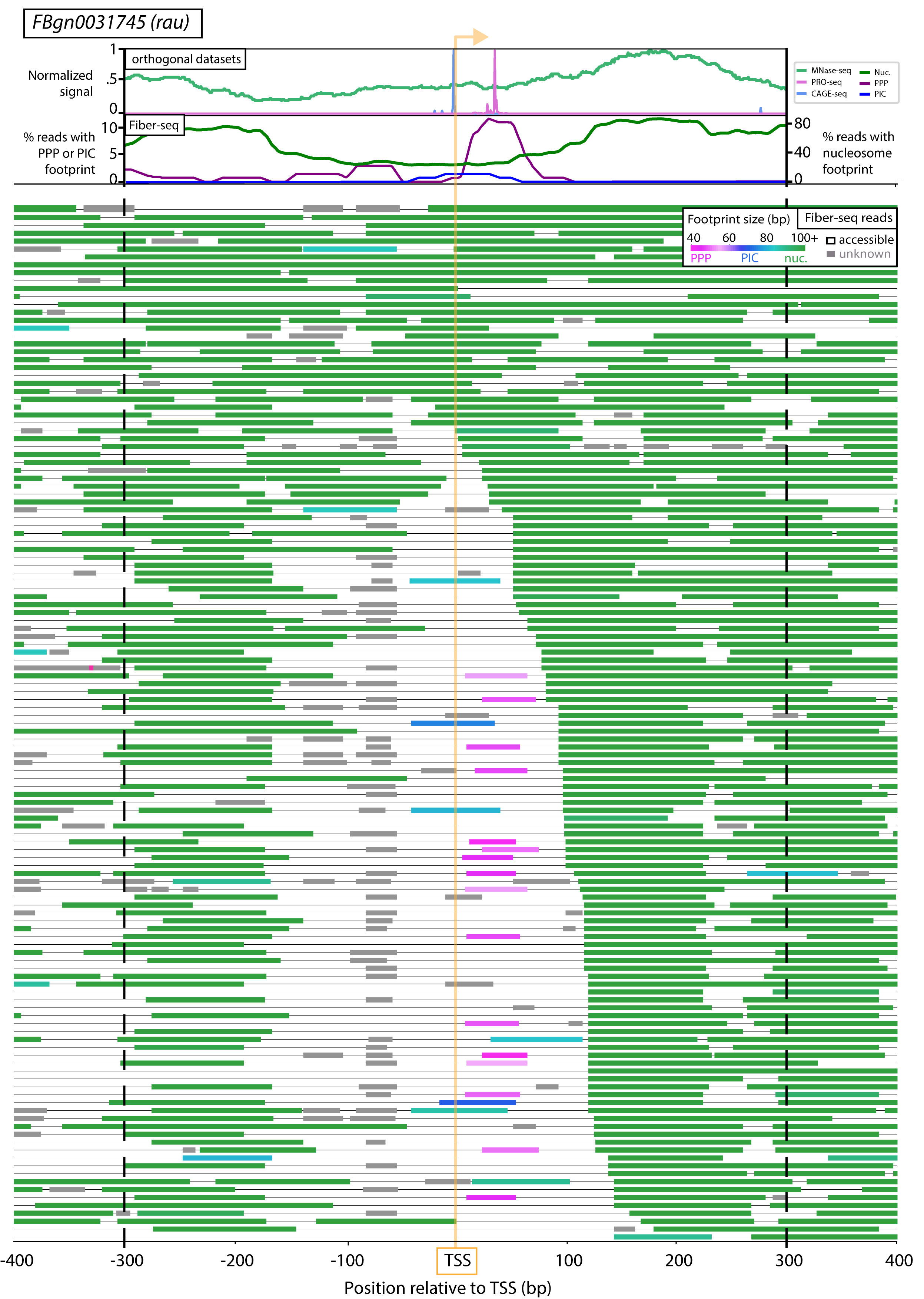
Long-read chromatin fiber sequencing lets us see RNA polymerases in their native chromatin context along 30 kb fibers, revealing direct coordination and anti-coordination between neighboring genes, enhancers and insulators.

Tullius et al., Molecular Cell 2024

Read the paper →

RNA kinetics from an ordinary RNA-seq library

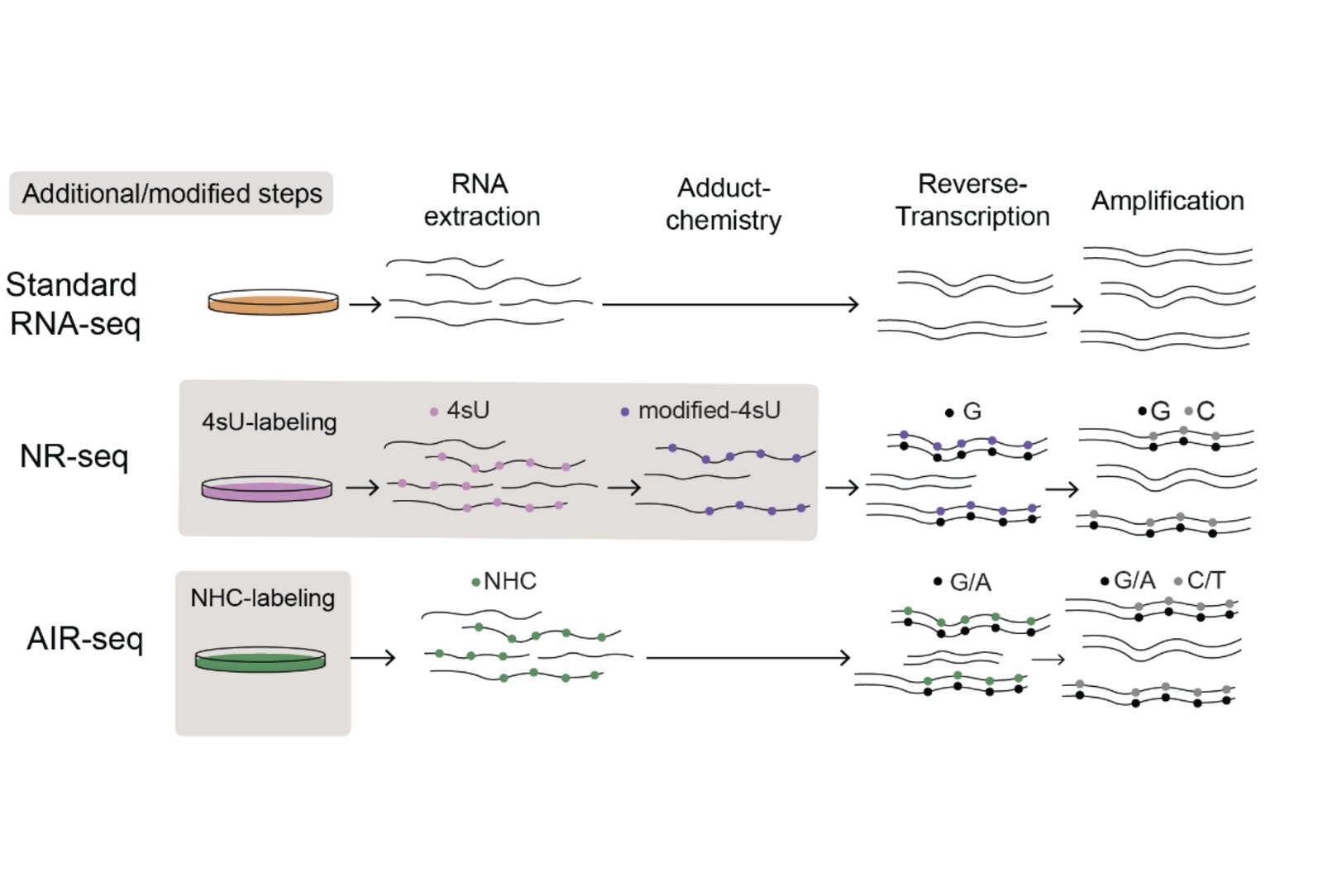
AIR-seq marks new RNA with N4-hydroxycytidine, which base-pairs ambiguously and so shows up as mismatches in standard libraries — no chemical conversion, no enrichment. RNA synthesis and decay rates now come out of ordinary bulk and single-cell experiments.

Hansen & Couvillion et al., bioRxiv 2026

How this fits together →

The lab

Biologists, physicists, chemists and computational scientists working together

The lab has always been a mix. Stirling trained as a physicist and the people here now came in through biochemistry, neuroscience, chemistry, and computation.

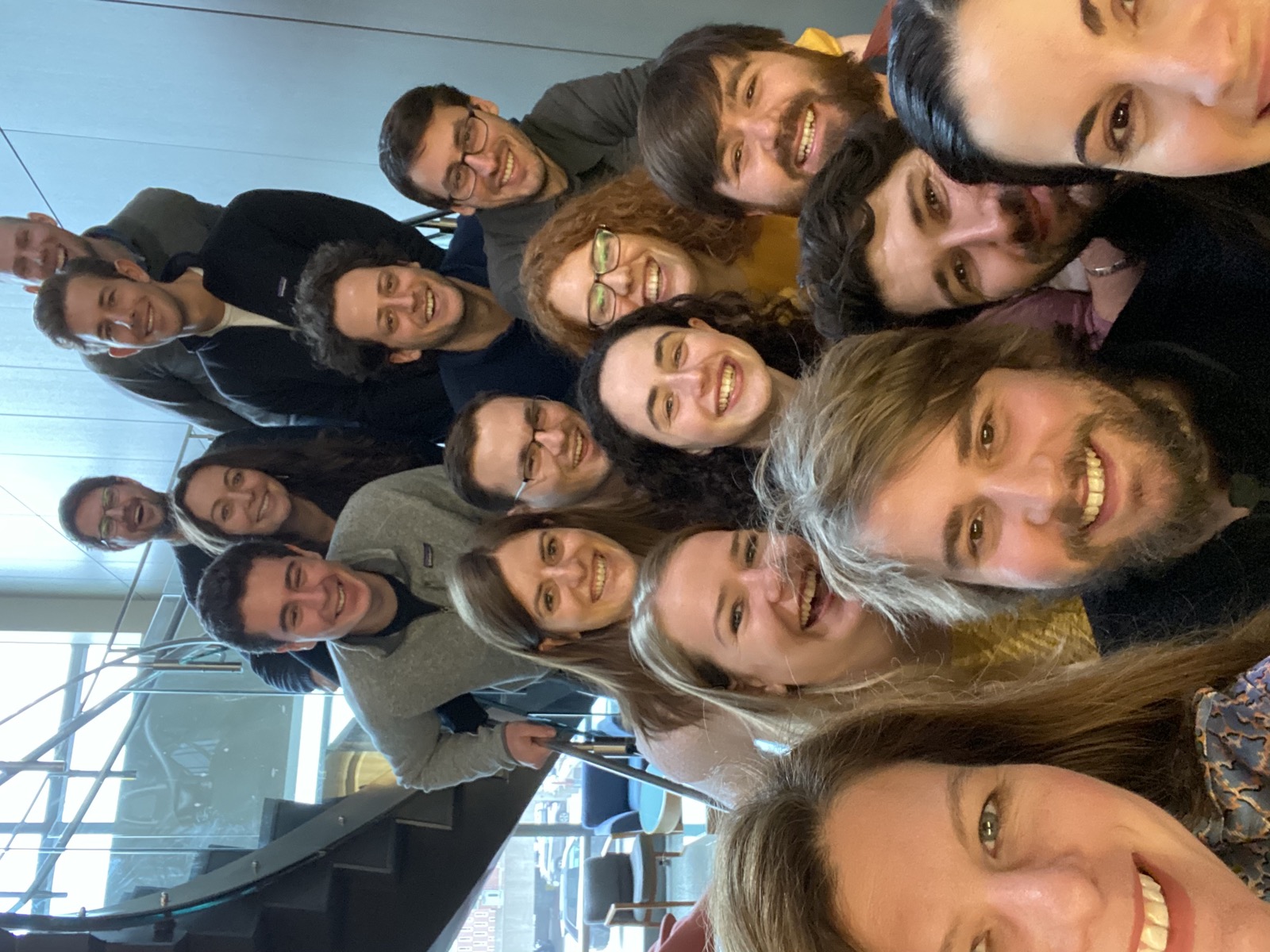
Members of the Churchman lab together

Use our work

Methods, code and protocols, all publicly available

GeneWalk

Identifies which functions of a gene actually matter in your biological context, by learning vector representations of genes and GO terms on a condition-specific network. pip install genewalk.

Documentation and tutorial →

Protocols

Published, benchtop-ready protocols for NET-seq, nano-COP, subcellular RNA-seq and mitoribosome profiling — with the corrections we have issued since publication.

Browse protocols →

Publications

71 papers, every one linked out to the journal or PubMed record, searchable by title, author, method or year.

All publications →

We are recruiting postdocs and rotation students

We take people from biology, chemistry, physics, computer science, mathematics and engineering. If you want to answer a question about gene regulation with our novel set of methods--or develop your own--we should talk!

How to apply